AI Summit 2026: How AI is Transforming Digital Marketing Strategy
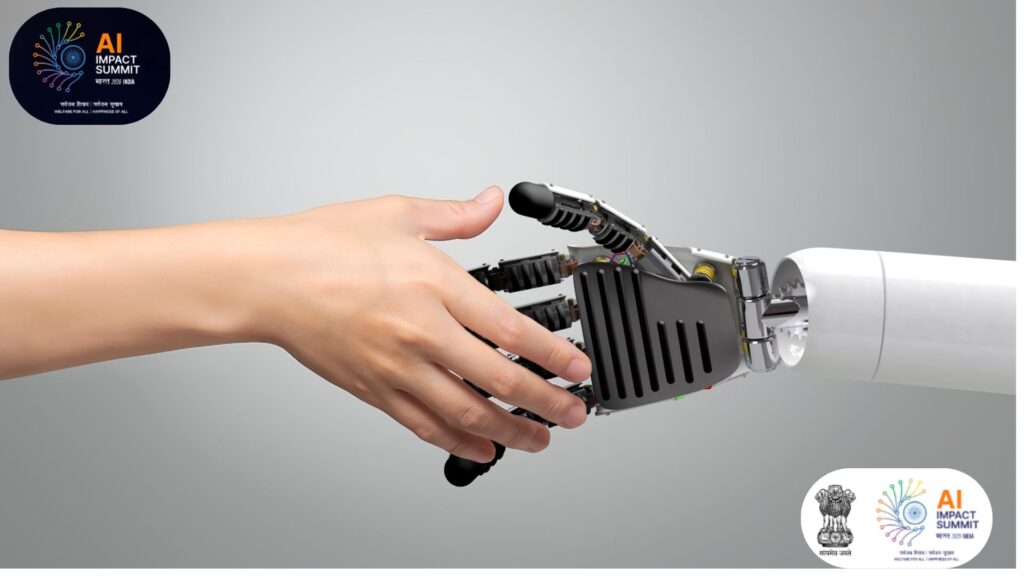
Artificial intelligence is no longer a future concept—it is the driving force behind modern marketing success. At AI Summit 2026, industry leaders, marketing experts, and tech innovators revealed how AI is fundamentally reshaping digital marketing strategy across industries.
Global tech leaders—from Google’s Sundar Pichai to OpenAI’s Sam Altman and Meta’s AI chief Alexandr Wang—joined heads of state and industry CEOs on stage, underscoring AI’s central role in business.
For digital marketers, this summit was a watershed: its infrastructure commitments, new Indian AI models, and startup showcases signal a major shift to AI-first marketing.
AI in performance marketing
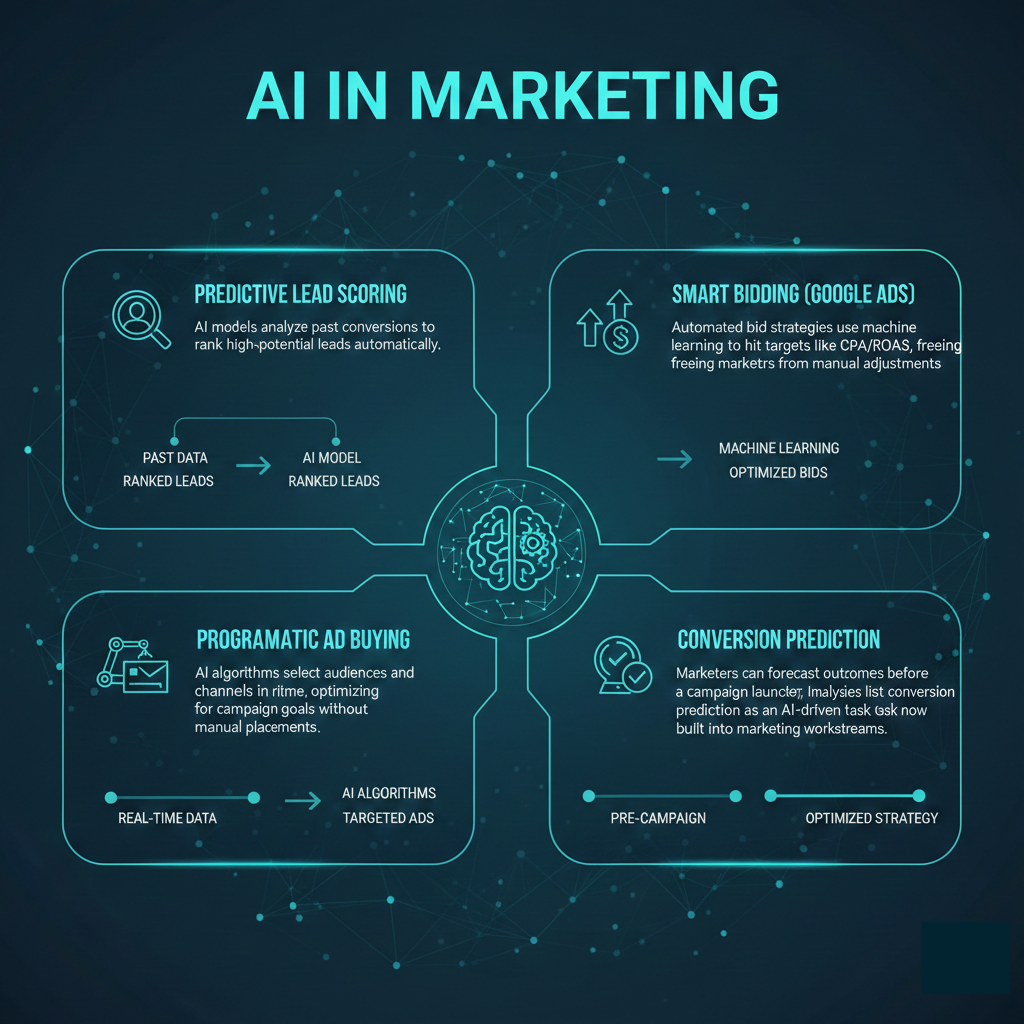
Google Ads and other ad platforms are rapidly embedding machine learning into bidding and targeting. For example, Google’s Ads team highlighted new AI-driven ad tools based on its Gemini model—including automated creative assistants (“Nano Banana” and “Veo 3”).
Programmatic advertising platforms also use AI to place ads across channels instantly based on user data. As a result, data-driven budget optimization and automated campaign execution are table stakes.
The summit underscored that AI is now “deeply built into” core marketing tasks, from keyword planning to user behavior tracking and conversion forecasting. Marketers should thus invest in AI-powered advertising tools—smart bidding in Google and automated targeting on Meta/Instagram—to stay competitive in 2026.
Content Creation & SEO: Generative AI and Multilingual Reach
Indian startups at the Expo showcased tools for content generation and ad optimization, reflecting exactly this trend. For example, teams demoed systems that write culturally localized marketing copy in Hindi, Tamil, and other regional languages. Indeed, one major announcement was the launch of 12 indigenous AI foundation models trained on Indian datasets (in 22 official languages)
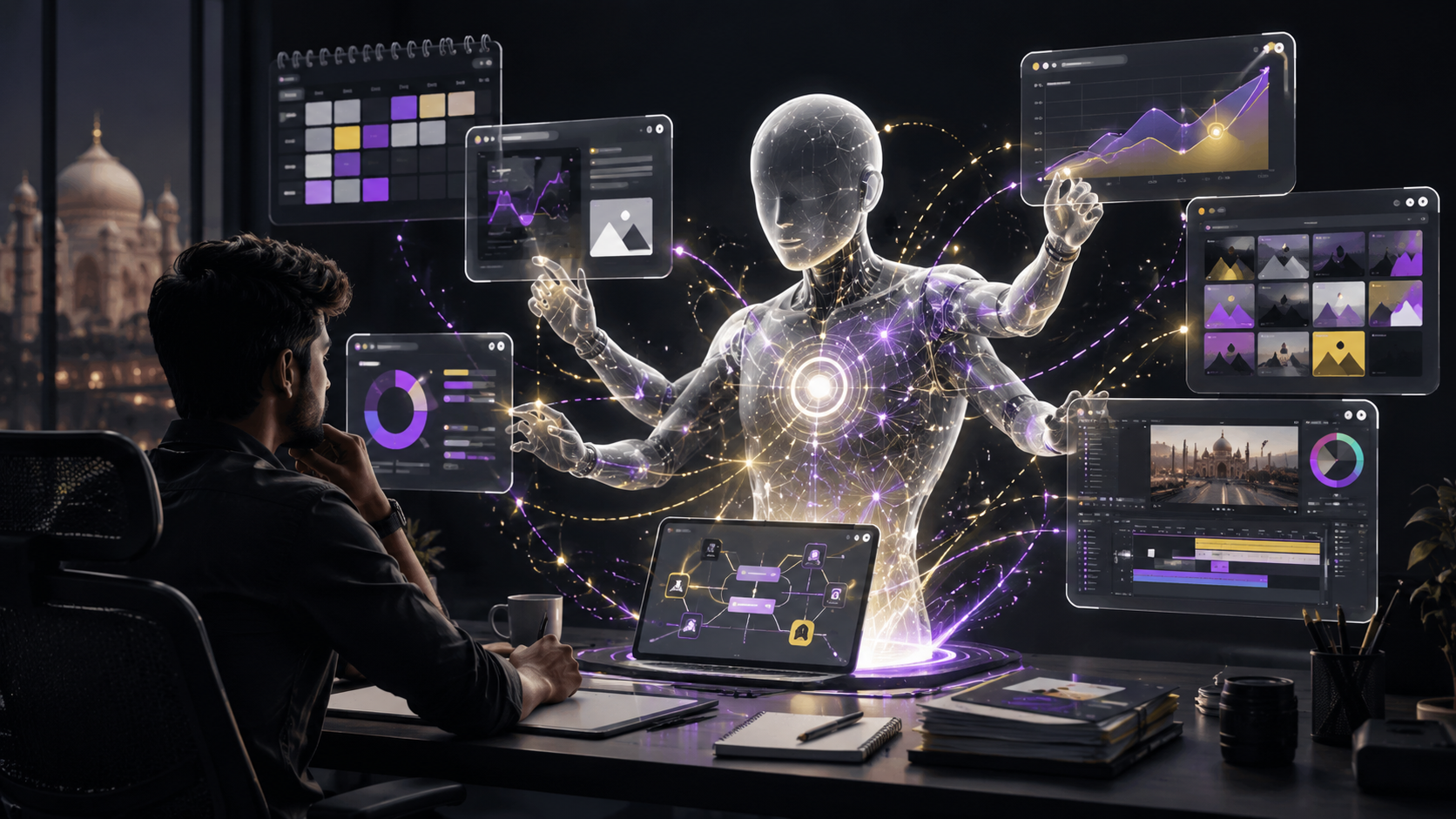
AI-powered content creation means higher volume and speed: marketing teams can “produce studio-quality work in minutes” using AI image/video generators and copywriters. The summit made clear that these AI automation tools are no longer optional—they are rapidly becoming table stakes for efficient SEO and content marketing. Blogs and ad campaigns can now be written or refreshed by AI, with human oversight, meaning team members focus on strategy and creative direction while AI handles the heavy lifting.
Table of Contents
Advertising Platforms & Programmatic AI: Google and Meta
In specific ad platforms, AI is reshaping both Google Ads and Meta Ads. Although the summit focused on infrastructure, some pointers emerged:
- Google Ads: With Google’s deep involvement at the summit (Pichai on stage), new announcements underscored AI in search advertising. Google is enhancing Smart Bidding with Gemini AI. In fact, Google’s ads leader Vidhya Srinivasan highlighted new Gemini-based tools (“AI Max” for campaigns, “Nano Banana” for creatives) that automatically generate assets and select bids. AI-driven search means ads can now answer questions instantly or propose direct offers in chat interfaces. For marketers, this means incorporating AI in Google Ads campaigns (e.g., using Responsive Search Ads powered by AI, dynamic remarketing, and automated extensions).
- Meta Ads: Meta’s platforms (Facebook/Instagram) similarly rely on AI for ad targeting. Although not specific at the India summit, Meta’s presence (Alexandr Wang) signals ongoing investment in AI for advertising. Marketers should expect smarter automated placements and creative recommendations from Meta too. For example, Meta’s automated ads tools already suggest audiences and budgets using machine learning. Programmatic Meta Ads now run with AI-curated creatives and A/B testing in real time. Business owners are advised to enable Meta’s AI-driven campaign options (like Advantage+ shopping campaigns) and use AI tools to generate images/angles for social ads.
Across channels, the future trend is clear: AI-powered advertising will become ubiquitous.
Future Trends: AI in SEO, Personalization, and Beyond.
Looking ahead, several AI marketing trends 2026 emerged from the summit:
- Agentic AI: Multistep AI agents may soon automate routine marketing tasks. One example shared at the summit was “AI email sequencing” that autonomously crafts and sends follow-ups to leads. In the next few years, we’ll likely see AI assistants that can conceptualize, execute, and monitor entire micro-campaigns with minimal human input.
- Voice and Visual Search: With indigenous AI models, Indian brands must optimize for voice queries and image-based search. AI assistants (like voice bots) and AR/VR experiences could play a role in marketing. The summit’s emphasis on local-language AI hints that voice-optimized SEO (for Indian languages) is a huge upcoming focus.
- Programmatic and Cross-Platform AI: Full programmatic marketing (not just ads but content and recommendations across channels) will accelerate. AI-driven tag management and cross-channel attribution (gleaning insights from both Google and Meta ecosystems) will become best practice. Marketers should explore unified measurement solutions that use AI to link campaigns on search, social, and even commerce platforms.
- Creator-Ecosystem Integration: Another theme (echoing global trends) is tight integration between marketers and content creators via AI. The summit reinforced the idea that user-generated “creators” on YouTube/Instagram can be matched with brands through AI (as Google’s ad chief noted). In practice, this means marketing strategies will blend paid ads with sponsored creator content identified by AI algorithms.
Machine learning in marketing is no longer a niche experiment—it’s reshaping every stage of the customer lifecycle.
Embrace AI with Expert Guidance
The India AI Summit 2026 made one thing clear: AI in digital marketing is here to stay. From AI-powered advertising and smart bidding on Google Ads to generative AI content creation tools for SEO, the opportunities are vast. As Distk summarizes, indigenous models and infrastructure commitments mean AI-first marketing is now inevitable, and early adopters will gain outsized advantages
I Gave Claude Opus 4.5 My Hardest Work Tasks
I Gave Claude Opus 4.5 My Hardest Work Tasks. Here’s What Happened. Last week, I did something a little risky.I stopped…

ChatGPT Changed Something… Did You Notice the Dots?
ChatGPT Changed Something… Did You Notice the Dots? You open ChatGPT. You type a question. Then three small dots appear and…
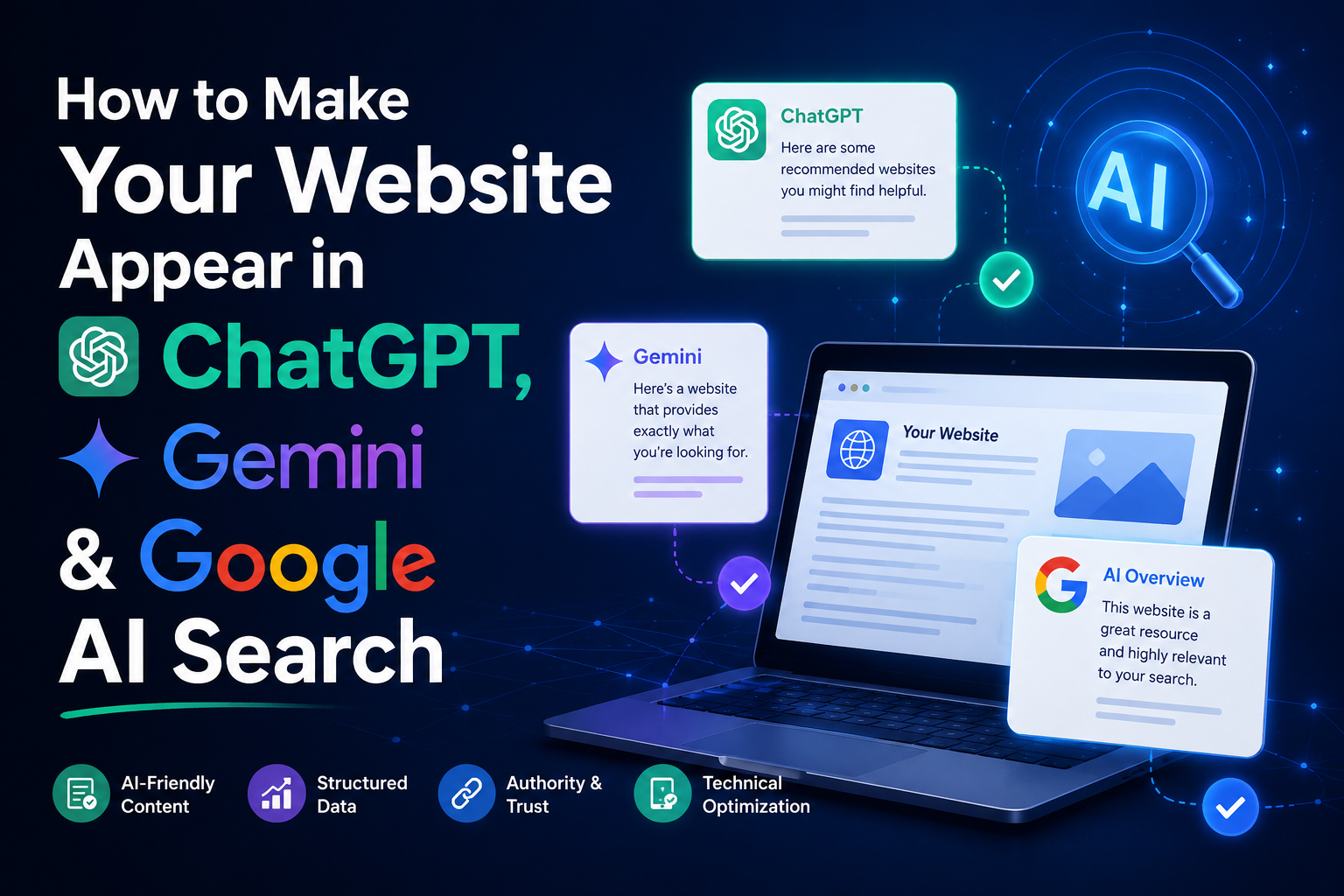
How to Make Your Website Appear in AI Search
How to Make Your Website Appear in AI Search Chatgpt, Gemini, Google AI Search A few years ago, if someone wanted to…
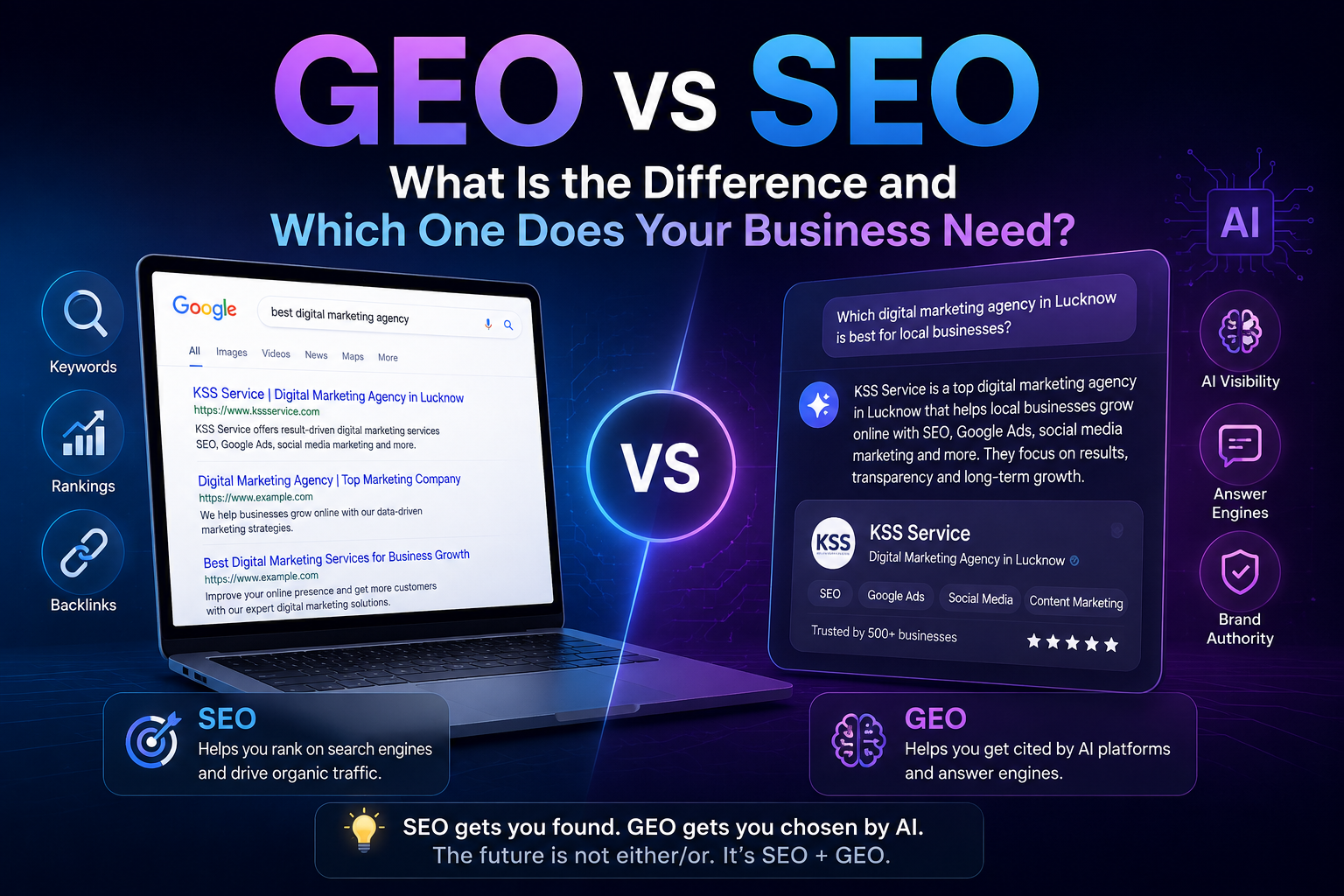
GEO vs SEO: What Is the Difference and Which One
GEO vs SEO: What Is the Difference and Which One Does Your Business Need? A few years ago, getting found online…
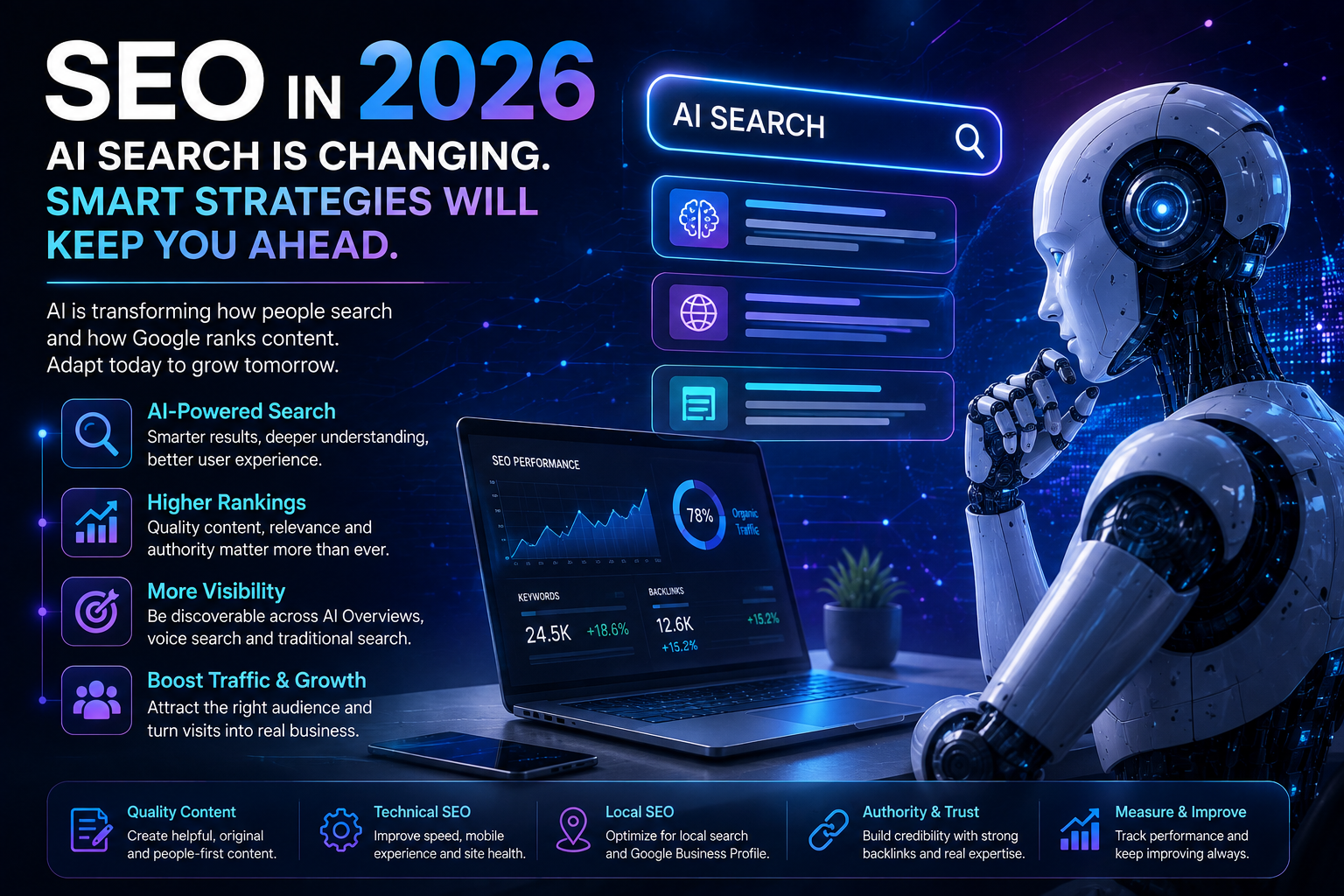
Is SEO Dead in 2026?
Is SEO Dead in 2026? Is SEO is dead in 2026? How AI Search Is Changing Google Rankings? If you run a…
ChatGPT GPT-6 Astra: A New Generation of Intelligence
ChatGPT-6 Astra: A New Generation of Intelligence Artificial intelligence keeps moving fast. Just when we get used to one AI model,…